


Tracing the Evolution of Sub-Antarctic Plants
Biogeography and phylogeography across the Southern Ocean
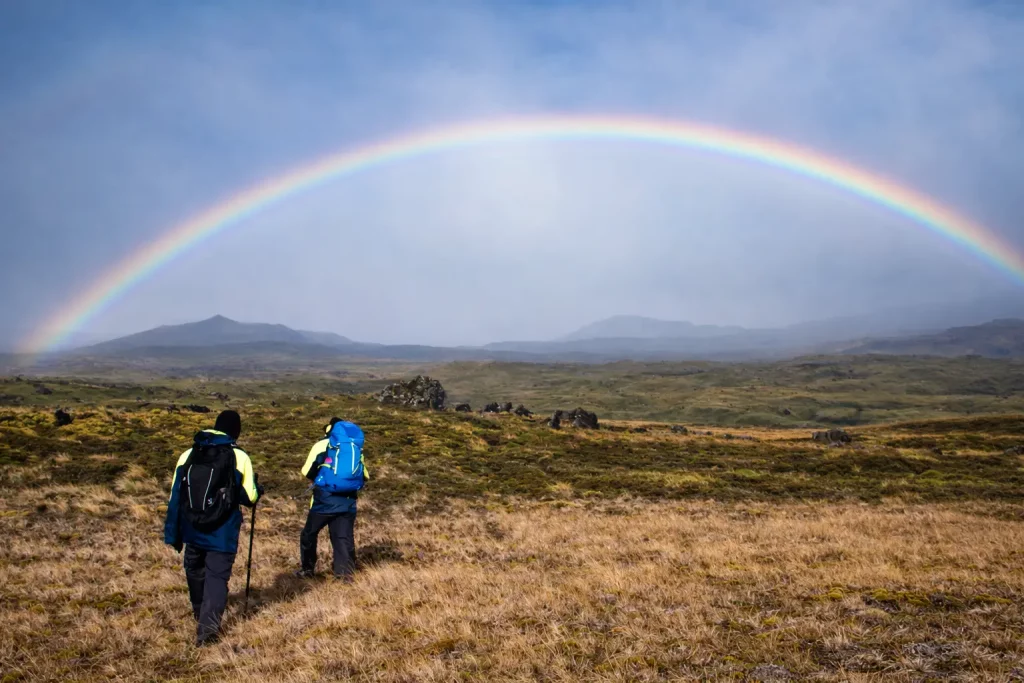
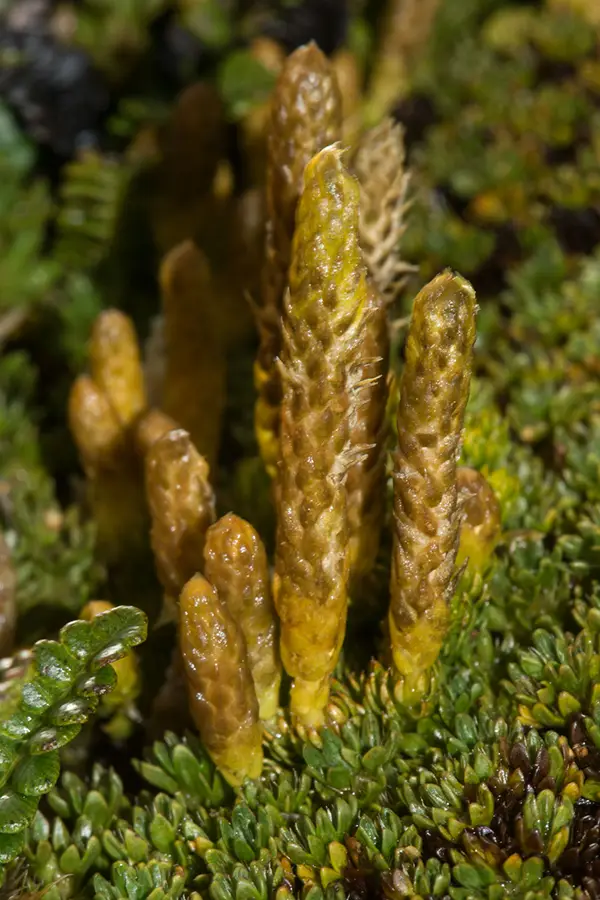
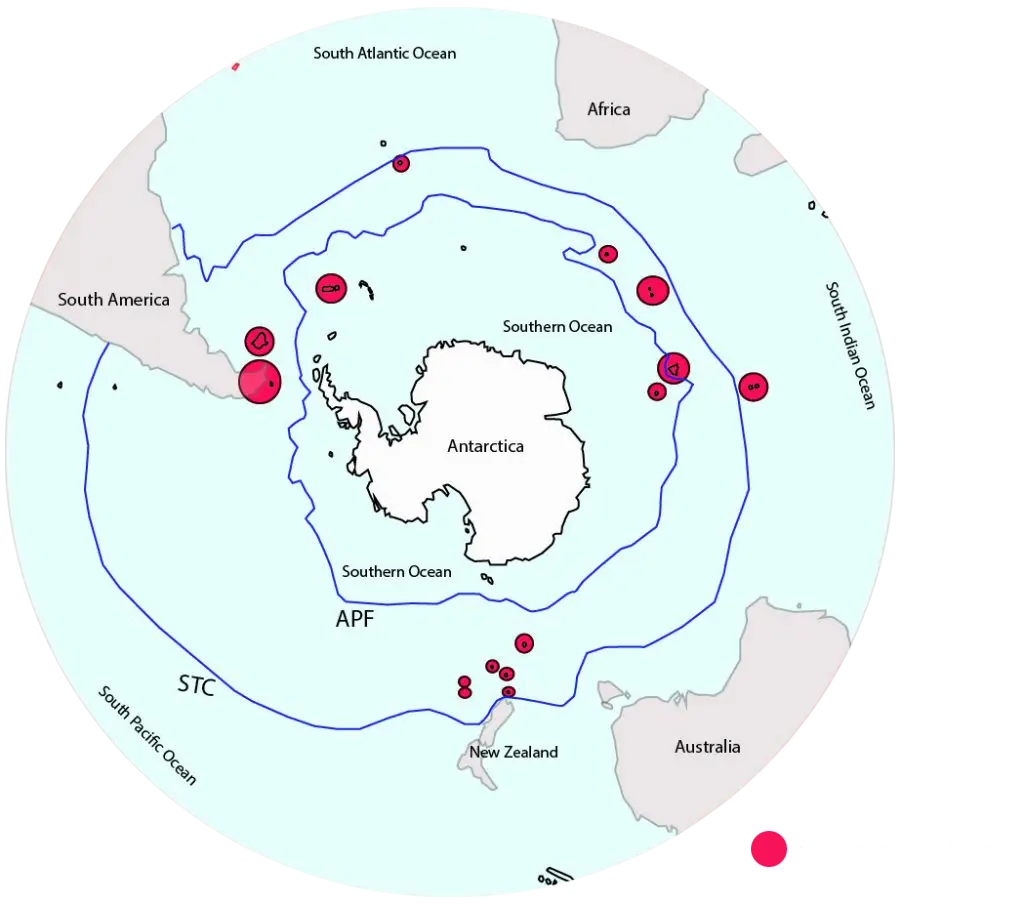
The Sub-Antarctic region hosts some of the most remote and distinctive biodiversity assemblages on Earth. Extreme isolation, harsh climates and powerful oceanic and atmospheric currents have limited biological exploration, leaving this region as one of the last frontiers for uncovering large-scale biogeographic patterns across the Southern Hemisphere. Our research focuses on the biogeography, evolution and phylogeography of Sub-Antarctic vascular plants, integrating field sampling, herbarium research and advanced analytical approaches. By revealing how these floras originated, diversified and remain connected across vast oceanic distances, we aim to provide an essential evolutionary framework to support the long-term conservation of Sub-Antarctic biodiversity. This research line brings together two closely linked, independently funded projects — SUB-GONDWANA and PANDORA.
What we study
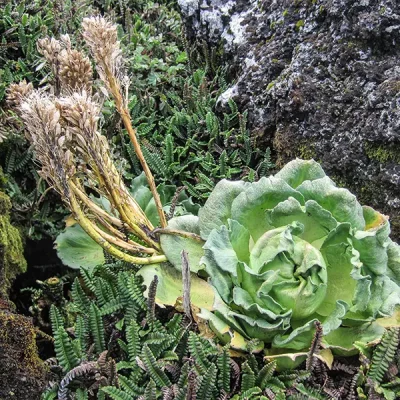
- Biogeography, evolution and phylogeography of Sub-Antarctic plants, with a focus on evolutionary uniqueness and conservation value
What we aim to understand
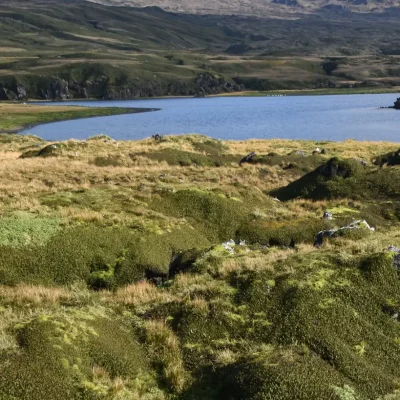
- Origins and evolutionary assembly of Sub-Antarctic floras
- Historical connectivity and dispersal pathways across the Southern Hemisphere
- Diversification processes and persistence on remote islands
How we study it
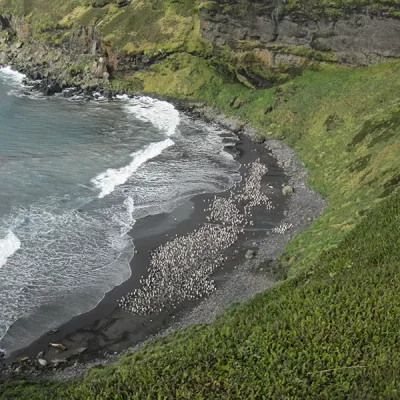
- International expeditions across Sub-Antarctic island systems and southern continental margins of the Southern Hemisphere
- Herbarium research and targeted expeditions
- Phylogenomics and comparative phylogeography to identify evolutionary lineages of conservation relevance
- Spatio-temporal distribution modelling to assess past dynamics and future vulnerability